
When my 12-year-old self needed professional massages to cope with Common Entrance anxiety, it signalled a problem. This wasn’t a luxurious treat—it was a survival tactic. My parents, though endlessly supportive, should never have had to soothe exam-induced panic in a child. Decades later, as SEA and CXC stress continues to break students, Trinidad and Tobago’s education system remains stuck in the past – utilizing an archaic British system that often prioritizes left-brain logic over right-brain creativity. From viral posts to heartfelt testimonials poured out across social media, one message is clear: our reliance on outdated methods is failing students. I believe transformative change is not just possible but necessary. Here’s how we can evolve—lessons drawn from my journey through its highs, lows, and untapped potential.
Primary School Level: When “Fun” Was The Secret Weapon (But the System Didn’t Care)
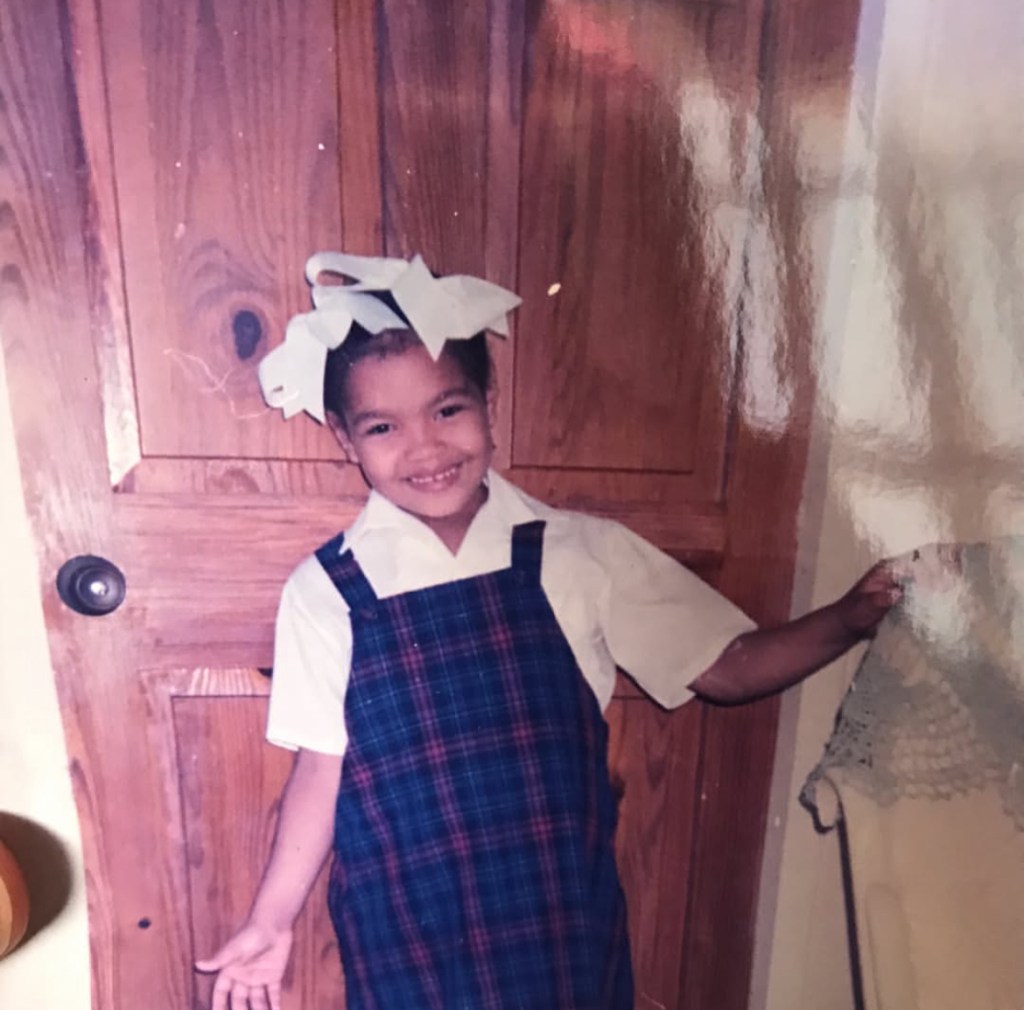
My earliest memory isn’t ABCs or multiplication tables—it’s my Standard 3 teacher turning math drills into treasure hunts and grammar lessons into comedy skits. She instinctively understood what neuroscience confirms: right-brain learners (like me) thrive with visuals, stories, and hands-on play. My Standard 4 teacher was the same. But by Standard 5, the “fun” evaporated. Cramming for Common Entrance felt like sprinting on a treadmill of past papers, my creativity smothered by rote memorization which revolved around past papers and pressure. My mother’s solution? Enlisting the same Standard 4 teacher who transformed lessons into games — and booking my first massage to combat meltdowns. While my peers drowned in drills, this teacher used storytelling and art to explain math concepts, aligning with right-brain learning strategies (creative, visual, holistic thinking). Yet the system dismissed her methods as “distractions,” favoring rote memorization.
What we can fix:
Parent-Teacher Partnerships: Train parents to identify learning styles early. My parents noticed I thrived with hands-on projects—a trait of kinesthetic learners (VARK model: Visual, Auditory, Reading/Writing, Kinesthetic). Workshops could help families advocate for tailored support.
Left Brain vs. Right Brain Balance: Not all kids learn through textbooks. Train teachers in Howard Gardner’s Multiple Intelligences, designing lessons for visual, kinesthetic, and auditory learners.
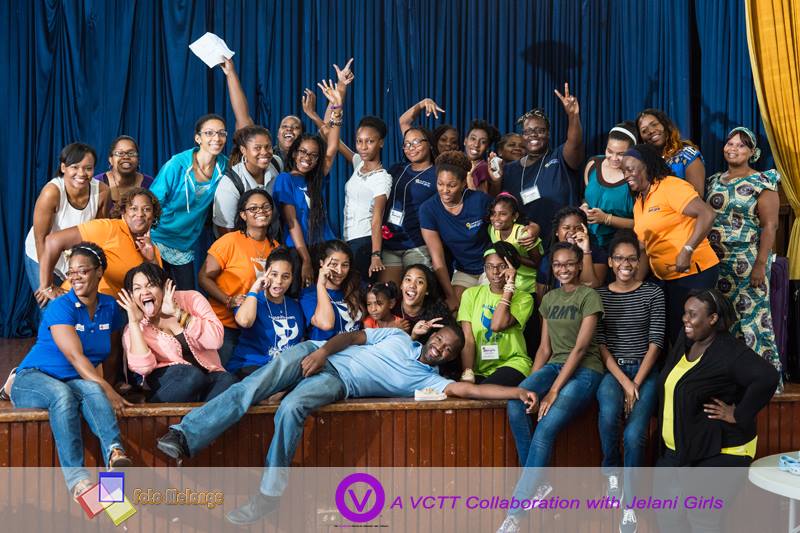
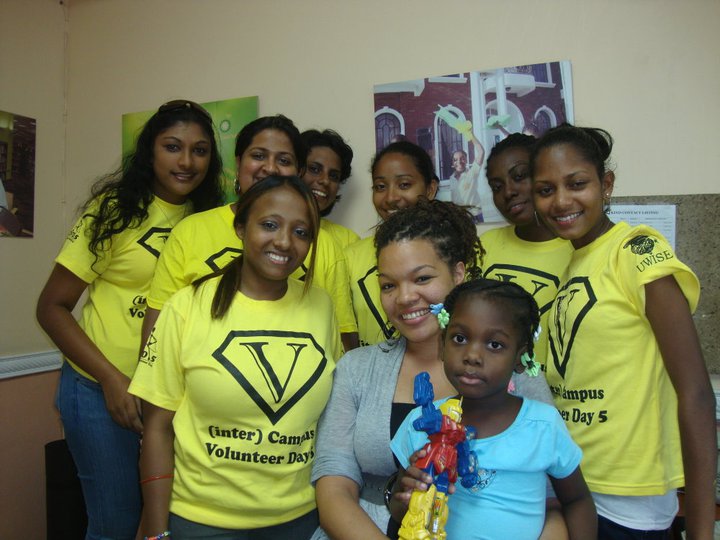
Volunteer-Driven Enrichment: Encourage from young the altruistic and academic benefits of volunteerism. It teaches empathy and giving selflessly to others while allowing students to acquire hands-on life skills like humility in serving others, cooperation and working with teams.
Replace High-Stakes Testing: Finland phased out standardized exams for under-16s—why can’t we? This play-based primary model reduced childhood stress while boosting creativity. Effectively replace the SEA with continuous “assessment portfolios” that track progress through projects, creativity, and critical thinking – mixing academics, art, and peer collaboration?
Parental Support Programs: Provide workshops to help families manage stress and foster home environments that celebrate curiosity over rote memorization.
Secondary School: Beyond Textbooks and Testing
In Form 3, my Woodworking teacher praised my written/visual presentation work and said, “This is the best I have received in years—so why do you blank out in exams?” Why? The answer? Kinesthetic learners (30% of students, per the VARK model) struggle to thrive in a system that rewards memorization over creation. While my School Based Assessments (SBA) and other project based work sparkled with innovation, exams reduced me to a panicked parrot reciting facts. As a kinesthetic learner, I absorbed information by doing, not memorizing. My parents never pressured me into “prestige schools,” but the system still judged me by exam scores alone. Meanwhile, teachers like Evette Graham (RIP) —my music mentor—saved me by emphasizing SBAs. “Your projects prove you understand,” she’d say. “Exams don’t define you.”
What we can fix:
Diversify Assessment: Let SBAs count for 50% of CXC grades. A kinesthetic learner could build a model ecosystem; an auditory learner might present a podcast on Caribbean history. Ditch the “one-size-fits-all” Model and adopt differentiated instruction.
Mandatory Volunteer Credits: Require students to volunteer in fields aligned with their interests. A budding doctor could assist at health clinics; a future engineer might help build community gardens. This bridges theory and practice while fostering empathy.
Vocational Tracks for Hands-On Learners: Not every child is wired for academia. Expand apprenticeships in coding, eco-agriculture, or graphic design—fields where “doing” trumps theorizing. Not every student thrives in academia, and that’s okay.
Mentorship Networks: Pair students with industry professionals for real-world insights. For example, aspiring engineers could shadow someone from local firms, bridging classroom theory and practice.
Summer Internships: Provide opportunities for students to engage in world-of-work experiences (and receive a sizeable stipend for their travel and efforts).
Right-Brain Timetabling: Schedule creative subjects (art, music) alongside STEM (Science, Technology, Engineering & Math) to balance logic and creativity. Studies show alternating modalities improves retention.
Mental Health Resources: Hire counsellors and implement mindfulness programs to address anxiety. Schools should be sanctuaries of growth, not stress incubators.

Tertiary Level: When “Regurgitation” Nearly Broke Me
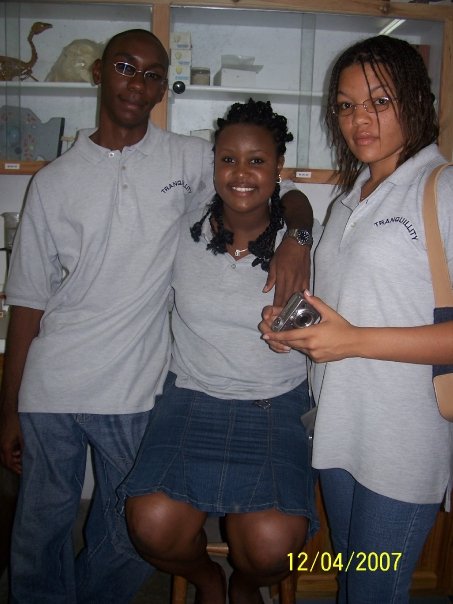
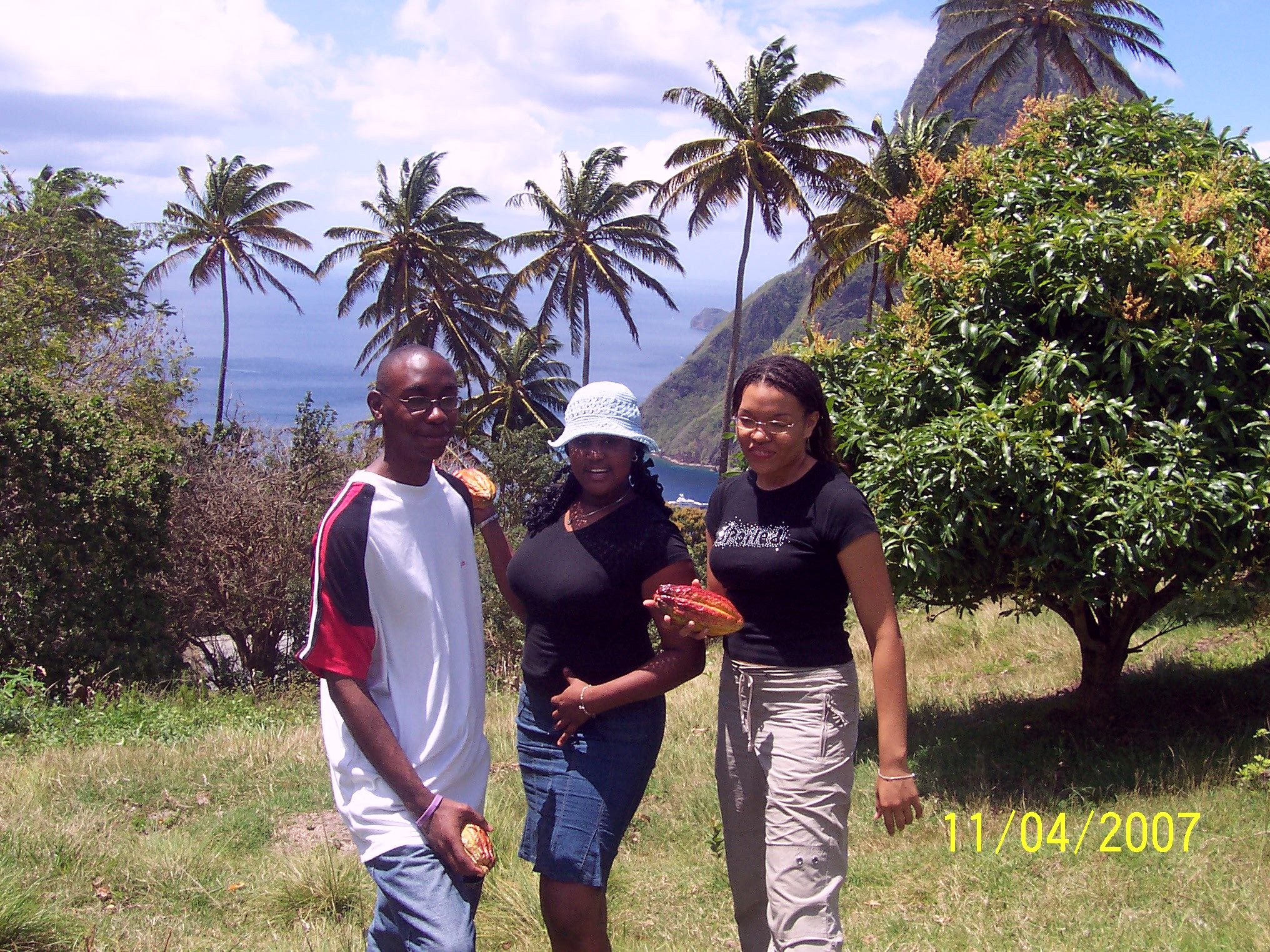
At UWI, I hit a wall. I collided with a system that punished critical thinking (not on the DCFA side of things but other faculty courses). A Law, Governance, Economy & Society lecturer sneered, “Stop free-styling—just copy the textbook!” But as a social learner (from Kolb’s theory), I needed debates, study groups, and real-world analogies to grasp concepts. Forced to memorize dry definitions, I failed—twice! It wasn’t until I rallied classmates and formed late-night study groups—dissecting concepts over hot cheese pies and humor—that I finally passed. And, for my essays, the concepts that I was told to regurgitate – I absolutely did not (also summarily as and act of rebellion which I was prepared to challenge had I failed again). Instead, I fuelled those essays with so many examples and paraphrased definitions (and some easy to remember textbook definitions) that there was no denying that I understood the material – it just wasn’t presented in a way that felt like I plagiarized the entire textbook.
What we can fix:
Critical Thinking Over Memorization / Copy-Paste: Reward analysis, not verbatim answers. If a student can explain physics through the way a piano works, let them. that’s interdisciplinary brilliance—not “unacademic.”
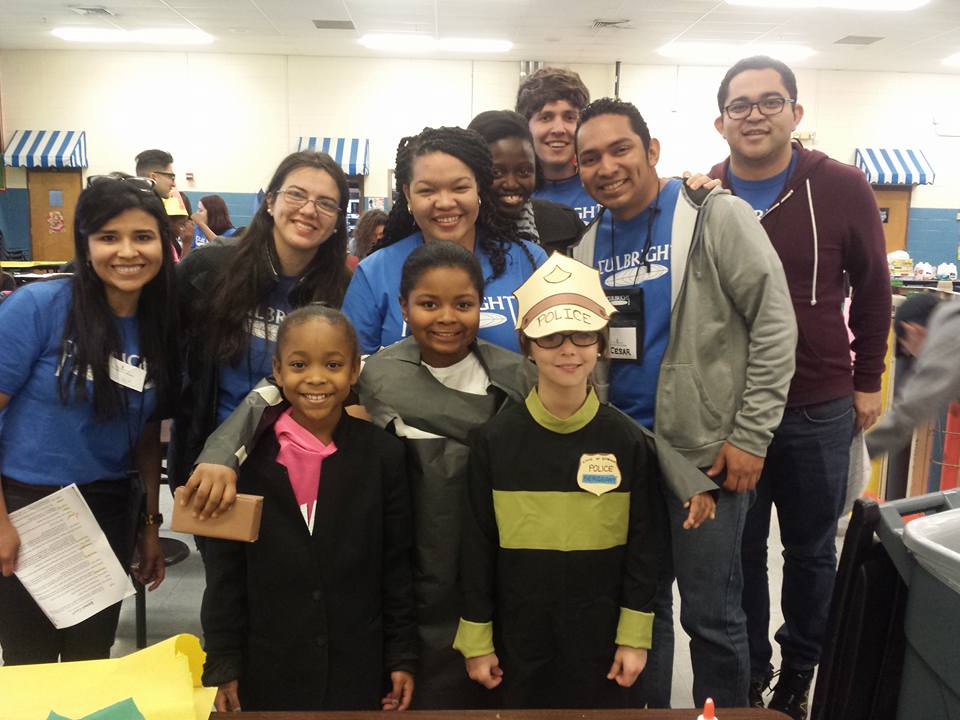
Internships for Academic Credit: Partner with industries so students learn on the job —skills no textbook can provide. My Fulbright success came from doing, not just reading – an ethos that is strongly encouraged by the scholarship body.
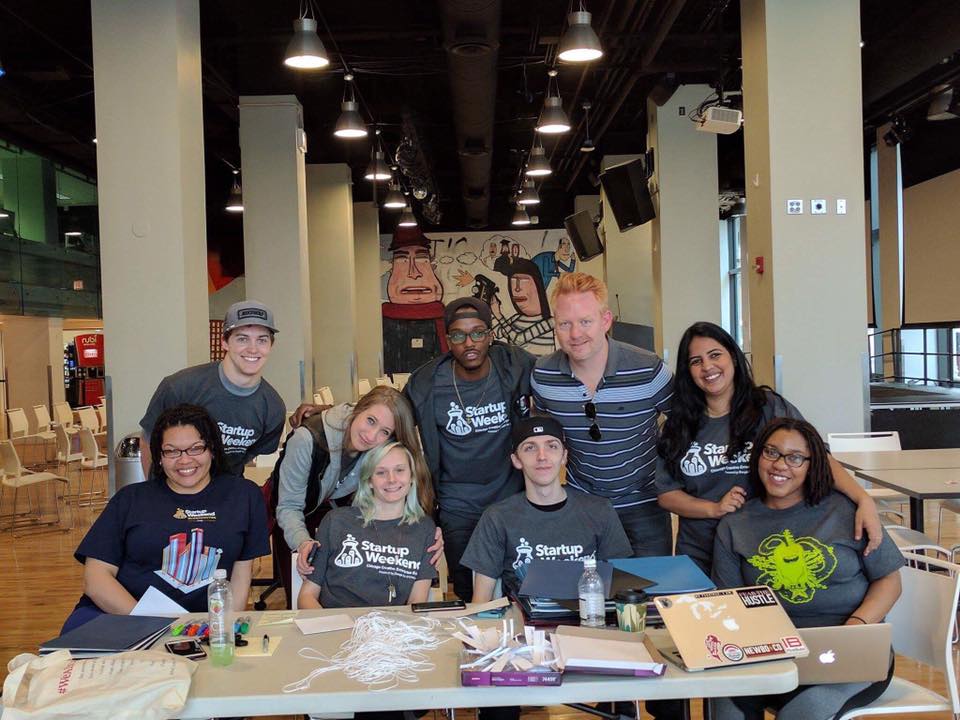
Integrate Real World Clients Into Course Work: In Columbia College Chicago, courses partnered with actual organizations—like the Marketing class collaborating with Chicago Women’s Magazine. Students served as consultants, crafting and presenting marketing plans to executives, with these live projects doubling as graded assignments. Similar partnerships across disciplines let me tackle strategic plans, event management, artist curation, and municipal projects. This hands-on approach bridged academia and industry, proving that real client engagement fosters skills no lecture can replicate. This was Absolutely invaluable learning for me.
Learning Style Assessments: Administer VARK assessments during orientation and record each students learning style on their permanent files. Give lecturers these files to review.
Industry-Embedded Programs: My Columbia College Chicago education thrived because professors were active industry professionals—practicing artists, lawyers, marketers, and entrepreneurs. Trinidad and Tobago’s universities should mirror this: collaborate with local innovators (filmmakers, engineers, startup founders) to co-teach courses or ensure lead lecturers are actively engaged in their fields. This bridges classroom theory with real-world trends, preparing students for the challenges they’ll face post-graduation.


The Arts: Where Support Meets Survival
As an Arts Manager (Arts Administrator or Cultural Manager as we’re sometimes called), I’ve met countless creatives hobbled by the system’s bias toward left-brain skills (logic, structure). We excel at ideation but often lack business training and that’s again because our system sidelines creatives, assuming “business” and “art” are opposites. But, as part of my Masters in Arts Management (MAM) degree (essentially and MBA for the Arts) we had to do Finance and Economics courses —proof that right-brain creativity needs left-brain structure to thrive.
Final Recommendations:
Cross-Train the Brain: Embed entrepreneurship in creative degrees. A dancer should graduate able to draft a budget; a painter must know digital marketing. Yes. Stanford’s “Design Thinking” model proves innovation lives at these intersections.
National Volunteer Network: Mobilize professionals to tutor students in weak areas. A retired accountant could teach math through music; a chef might explain chemistry via cooking. As start to this could be by effectively partnering with the Volunteer Centre of Trinidad and Tobago (VCTT).
Parent Advocacy Training: Equip families to demand systemic change. My parents’ gentle guidance saved my confidence—imagine if all households had those tools.
Right-Brain Leadership: Hire arts educators to redesign curricula in tandem with subject matter experts.
Cross-Collaboration: Foster partnerships between schools, universities, and industries. Imagine UWI drama students working with secondary schools on productions, blending education and real-world impact.
Policy Overhaul: Establish a national task force—including educators, students, and innovators—to draft a 10-year modernization plan. Learn from Estonia’s digital education reforms or Singapore’s focus on 21st-century skills.

Conclusion: Stress Doesn’t Equal Success
Let me be clear: this isn’t a call to scrap exams entirely. As someone who thrives at the intersection of logic and creativity—managing arts projects while leaning heavily on hands-on learning—I know traditional methods can coexist with innovation. But for too long, Trinidad and Tobago’s system has sidelined tradespeople, artists, and kinesthetic learners simply because we don’t fit its rigid mold.
That said, our education system’s stagnation isn’t just frustrating—it’s a disservice to future generations. Our obsession with outdated practices ignores decades of research on cognitive diversity and the science of it all. While my journey included massages to cope with stress and bonfires to celebrate survival, today’s students deserve better. Massages shouldn’t be a pre-exam ritual. Parents shouldn’t carry the system’s shortcomings. Trinidad and Tobago has the talent and resources to build a system that prioritizes creativity, critical thinking, and joy in learning. Let’s build schools where stress is replaced with support, potential isn’t stifled by exams, and every learning style—left-brain, right-brain, or somewhere in between—is celebrated.
—An Arts Manager who believes in better.
If you reached to the end then you definitely should subscribe to our newsletter, I’d love to have you be part of my community. :-)





 MellySays.xyz
Leave a comment